By Demyan Trofimovich, REALTOR® | eXp Realty
You find a brand new house in Lakeville. Fresh paint, new carpet, a three-car garage, and nothing to fix for years.
Then you check the listing and see the property taxes: $1,500 a year. On a $600,000 house.
It looks like a great deal. It's usually a placeholder.
I live in Lakeville and help a lot of families buy here, many of them new builds and many moving in from out of state. The tax question comes up constantly, and it's one of the most common surprises I see after closing. So here's how property taxes on new construction work in Minnesota, in plain English, and what to check before you sign a builder contract.
(Quick note: I'm a Realtor, not a tax professional. This is general education. For exact numbers, talk to your lender, Dakota County, or a tax advisor.)
Why taxes on a new build start out low
In Minnesota, property is valued as of one day each year: January 2.
Whatever is sitting on the lot that morning is what the county values. And the taxes you pay next year are based on that January 2 value.
Dakota County's own value and tax timeline puts it simply: the market value set on January 2, 2026 is for taxes payable in 2027.
So picture a typical new build in Lakeville:
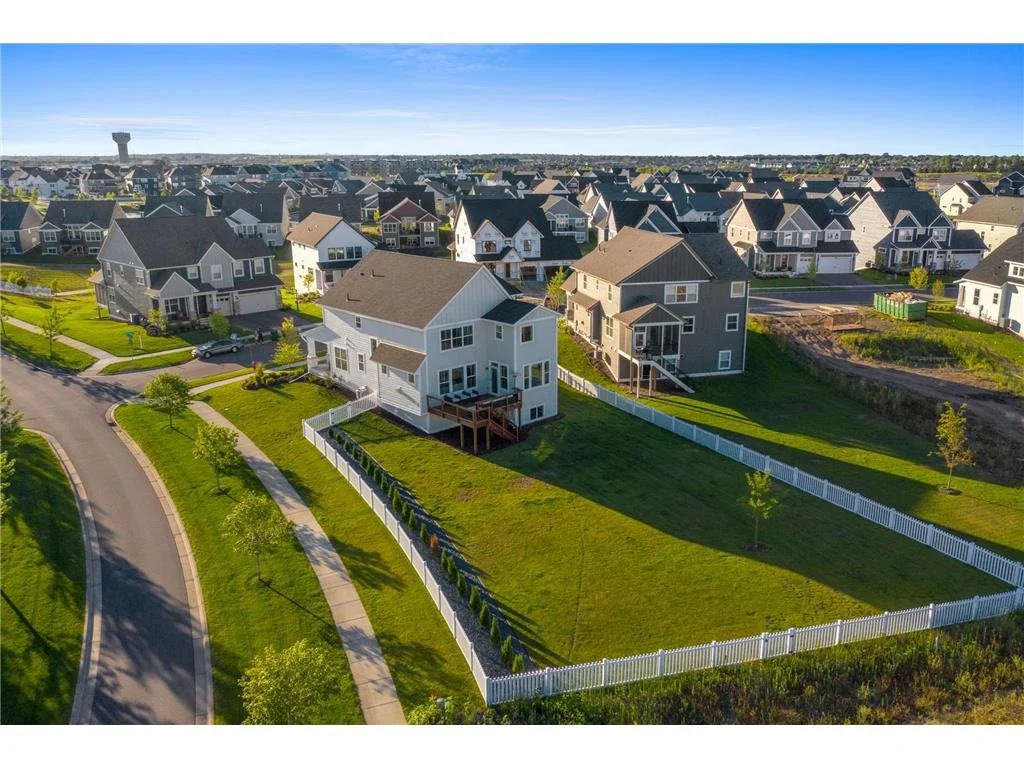
January 2, 2026: The house is a bare lot, or just a foundation. The county values what's there.
Spring 2026: The house is finished and you close.
2026 taxes: Based on January 2025, when it was probably raw land. This is often the number on the listing.
2027 taxes: Based on January 2026, when it was a lot or a shell. Still low.
2028 taxes: Based on January 2027, the first time the county values it as a finished home. This is when the real number shows up.
The exact timing depends on when your house was finished and how the assessor valued it. But the pattern is why so many new-construction buyers are caught off guard a year or two after they move in.
A resale home can surprise you too, just usually less. The listing shows the seller's taxes, based on their situation. If it was a rental, it may not have had the owner-occupied homestead classification. If it was just remodeled or finished, the county may not have caught up yet.
Why your house payment can jump in year two
This is the part that catches people off guard.
Most lenders collect your property taxes every month in an escrow account. Your monthly payment covers principal, interest, insurance, and taxes.
When your lender sets up that escrow, they often use the tax number they have at closing. On a new build, that's the low one.
Once the county values the finished home and the tax bill goes up, your lender reviews the account. Your monthly payment goes up to match. And if the account came up short, you may also have to make up the difference, either in one payment or spread across the next year.
That's when the letter from the lender shows up. A lot of buyers never saw it coming, and now the payment they budgeted for is noticeably higher.
The fix is easy if you plan for it: budget your payment using what the taxes will be on the finished house, not what the listing shows.
Special assessments: the other line on your tax bill
New neighborhoods need new streets, water, and sewer. In many Minnesota cities, some of that cost gets charged to the lots as special assessments.
Sometimes the builder pays them off before you close. Sometimes they come with the house, and you pay them over years as part of your property taxes.
The City of Lakeville explains how it works. Once an assessment is certified to the property taxes, it gets paid through Dakota County, and each year's principal and interest gets added to the tax bill.
None of this is bad. It just needs to be in your budget and, ideally, in your negotiation. Ask before you sign:
Are there any pending or levied special assessments on this lot?
Who pays them, the builder or me?
If they're mine, what's the yearly amount and how many years are left?
Lakeville has an eProperty special assessment lookup on the city website, and your title company will also search for assessments before closing. I like to know the answer well before that, while there's still room to negotiate.
Don't skip homestead
Once you move in, there's one form that can lower your taxes: homestead.
Dakota County describes homestead as a program "to reduce property taxes for owners who also occupy their homes as their primary place of residence."
A few things to know:
You have to apply. Don't assume it happens automatically when you buy. Dakota County has an online application, and you can also apply by mail or in person.
The deadline is December 31. Dakota County says applications are due December 31 and will affect the next year's taxes. Closing in November or December? Put it on your list for moving week.
Tell the county if things change. If you move out, sell, or turn the house into a rental, you need to notify the county assessor within 30 days.
Also, if the house you're buying wasn't homesteaded by the seller (a rental, a builder-owned spec home), the taxes on the listing may be higher than what you'll pay once your homestead kicks in. Yet another reason the listing number can be off, in either direction.
What I have my buyers do before signing a builder contract
Look up the lot. Dakota County's property search shows the estimated market value and the tax history. If the value is a fraction of the price, you know the taxes on the listing are from before the house was built.
Get a real tax estimate for the finished house. Ask the builder what similar finished homes in that neighborhood pay, or use Dakota County's tax estimator. Use that number to figure out your monthly payment.
Ask your lender to plan escrow on the real number. Some lenders will set up escrow on the higher estimate, so your payment doesn't jump later. Ask.
Ask about special assessments in writing. Pending or levied, who pays, how much per year, and for how long.
Apply for homestead after you move in. Dakota County's deadline is December 31.
Set aside a cushion for year two. Even with good planning, it's smart to expect your payment to change once the house is fully assessed.
A new build in Lakeville can be a great move. You get a house no one else has lived in, a builder warranty, and years before anything needs replacing. Just go in knowing what the payment will look like once the county catches up.
More reading: my tips for buying a new construction home, a look at Spirit of Brandtjen Farm in Lakeville, and how to buy and sell at the same time in Lakeville.
Thinking about new construction in Lakeville or anywhere in the south metro? Book a quick call with me, or call or text me at 651-767-2462. Tell me the neighborhood or the builder, and I'll tell you what I'm seeing for taxes and assessments out there.
You can also search new homes in Lakeville or see what your current home might be worth.
Demyan Trofimovich, REALTOR® | Trofimovich Group at eXp Realty
Property tax rules, assessments, deadlines and market conditions can change. Always verify important details with Dakota County, your city, your lender or a tax professional.